
Honda Civic’s manual transmissions demand specific oil for optimal performance and longevity; using the correct fluid is crucial for smooth shifting and component health.
Maintaining the correct fluid level and type prevents premature wear, ensuring a pleasurable driving experience and extending the life of your Honda’s gearbox.
Importance of Correct Fluid
Using the right transmission fluid in your Honda Civic’s manual gearbox is paramount for several reasons. Incorrect fluid can lead to synchro mesh issues, causing difficult shifting and gear grinding, ultimately damaging internal components. Honda specifically engineers its transmissions to work best with Honda MTF, a fluid designed for its unique metallurgy and tolerances.
Other fluids, while seemingly similar, may lack the necessary friction modifiers or viscosity, leading to accelerated wear and potential failure. Maintaining the correct fluid level is equally vital, as low levels starve components of lubrication, while overfilling can create excessive pressure. Prioritizing the correct fluid safeguards your investment and ensures a smooth, reliable driving experience.
Types of Honda Civic Manual Transmissions
Honda Civics have featured various manual transmission types throughout their generations. The 5-speed manual was common in older models, known for its simplicity and durability. Later generations, particularly the 9th and 10th, predominantly utilized a 6-speed manual, offering improved shift feel and fuel efficiency.
The newer 11th generation continues with the 6-speed, incorporating refinements for enhanced smoothness. The high-performance Civic Type R boasts a more robust 6-speed manual designed to handle increased power and track use. Each transmission has specific fluid requirements, though Honda MTF remains a consistent recommendation across many models.

Understanding Honda MTF
Honda MTF is a specifically formulated gear oil designed for Honda manual transmissions, ensuring optimal synchronizer performance and protecting gears from wear and tear.
What is Honda MTF?
Honda Manual Transmission Fluid (MTF) is a unique, fully synthetic gear oil developed by Honda specifically for their manual transmissions. It’s not a standard GL-4 or GL-5 gear oil, and using alternatives can lead to issues like difficult shifting or synchronizer wear.
Honda MTF boasts a low viscosity and a specific friction modifier package designed to work harmoniously with the transmission’s internal components. This specialized formulation ensures smooth, quiet operation and maximizes the lifespan of the gearbox. It’s often recommended as the best option for maintaining peak performance in Honda vehicles.
Honda MTF Specifications & Viscosity
Honda MTF’s viscosity is relatively low, typically around 75W-80, differing from conventional gear oils. This lower viscosity facilitates smoother shifting, particularly in colder temperatures. The fluid meets Honda’s stringent specifications, ensuring compatibility and optimal performance within the transmission system.
Key specifications include a high shear rate viscosity and a specific friction coefficient. Honda MTF is designed to protect gears and synchronize rings, minimizing wear and maximizing efficiency. Using a fluid that doesn’t meet these specifications can compromise the transmission’s integrity and lead to operational problems.
Why Honda MTF is Recommended
Honda MTF is specifically engineered for Honda’s manual transmissions, offering superior lubrication and protection compared to universal alternatives. Its formulation minimizes friction, contributing to smoother, more precise gear changes and enhancing the overall driving experience. The fluid’s unique properties safeguard synchronizers, preventing grinding and extending their lifespan.
Honda’s recommendation stems from extensive testing and development, ensuring optimal compatibility and performance. While alternatives exist, Honda MTF consistently delivers the best results, preserving transmission health and preventing costly repairs. Sticking with the recommended fluid is a proactive step towards long-term reliability.

Alternative Transmission Fluids
While Honda MTF is preferred, viable alternatives like GM Synchromesh and RAVENOL MTF-2 exist, offering comparable performance and protection for your Civic’s gearbox.
GM Synchromesh Fluid – A Viable Option?
GM Synchromesh fluid has gained popularity as a substitute for Honda MTF, particularly due to its wider availability and often lower cost. Many Civic owners report successful long-term use without experiencing adverse effects, noting smooth shifting and no compatibility issues.
However, it’s crucial to understand that GM Synchromesh isn’t a direct equivalent; its formulation differs slightly. Some enthusiasts suggest it may not offer the same level of protection for Honda’s specific transmission components over extended periods. Careful consideration and research are recommended before switching, and monitoring for any changes in transmission behavior is advised.
RAVENOL MTF-2 as an Alternative
RAVENOL MTF-2 presents itself as a high-quality alternative to Honda MTF, formulated with PAO (Polyalphaolefin) group 4 base oils. This synthetic fluid aims to meet or exceed the original specifications, offering excellent thermal stability and shear resistance, crucial for demanding driving conditions.
Many Civic owners praise RAVENOL MTF-2 for its noticeable improvement in shift quality, particularly in colder temperatures. It’s often considered a premium option, bridging the gap between Honda’s original fluid and other aftermarket choices, providing a robust and reliable solution for manual transmissions.
Comparing Honda MTF to Other Fluids
Honda MTF distinguishes itself with a unique formulation specifically engineered for Honda’s manual transmissions, prioritizing smooth operation and synchronizer durability. Compared to universal gear oils, it exhibits superior frictional characteristics, minimizing gear noise and maximizing shift precision.
While GM Synchromesh offers a viable, often more affordable alternative, it may not replicate the same level of refinement as Honda MTF. Other synthetic options, like RAVENOL MTF-2, aim to match or exceed Honda’s specifications, providing comparable performance and protection for your transmission components.

Changing Your Honda Civic Manual Transmission Oil
Regular manual transmission fluid changes are vital for maintaining optimal performance and preventing costly repairs in your Honda Civic; it’s a straightforward DIY task.
Tools and Materials Needed
Successfully changing your Honda Civic’s manual transmission fluid requires gathering specific tools and materials beforehand. You’ll need a wrench or socket set to remove the drain and fill plugs, typically 17mm or 24mm depending on the model year.
A fluid pump is essential for accurately filling the transmission, alongside a drain pan to catch the old fluid. Gloves and safety glasses are crucial for protection, and a funnel will aid in a clean fill. Approximately 2.4-3.0 quarts of the correct Honda MTF or compatible alternative are needed.
Torque wrench, new drain plug washer, and cleaning supplies complete the list.
Step-by-Step Fluid Change Guide (2016-2021 Models)
Begin by warming up the transmission slightly with a short drive. Locate the drain and fill plugs on the transmission – the drain plug is usually lower. Position the drain pan, then carefully remove the drain plug, allowing the old fluid to drain completely.
Once drained, install a new drain plug washer and torque the plug to specification. Next, locate the fill plug and remove it. Using a fluid pump, slowly fill the transmission with the correct amount of fluid until it reaches the fill plug opening.
Reinstall the fill plug and torque it properly.
Drain and Fill Procedure
Begin with a warmed-up transmission for easier fluid flow. Securely position a drain pan beneath the transmission. Loosen and remove the drain plug, allowing the old fluid to fully drain – this may take some time. Inspect the drain plug for any metal shavings, indicating potential internal wear.
Once drained, clean and reinstall the drain plug with a new crush washer, torquing to the manufacturer’s specification. Locate the fill plug and remove it. Using a pump, carefully fill the transmission with the correct fluid volume.
Reinstall and torque the fill plug.
Fluid Change Intervals
Generally, Honda recommends changing manual transmission fluid every 30,000 to 60,000 miles, but aggressive driving or severe conditions may necessitate more frequent changes.
Recommended Service Intervals
Honda typically suggests a manual transmission fluid change between 30,000 and 60,000 miles for optimal performance. However, this is a general guideline, and several factors can influence the ideal interval. For owners who frequently engage in spirited driving, track days, or operate their Civic in harsh conditions – such as stop-and-go traffic or extreme temperatures – shortening the interval to 30,000 miles is advisable.
Conversely, drivers with primarily highway miles and gentle driving habits might extend the interval closer to 60,000 miles. Regularly inspecting the fluid’s condition is also crucial; if it appears dark, gritty, or smells burnt, a change is warranted regardless of mileage.
Factors Affecting Fluid Change Frequency
Several driving conditions significantly impact how often your Honda Civic’s manual transmission fluid needs changing. Aggressive driving, including frequent hard acceleration and deceleration, generates more heat and stress on the fluid, accelerating its degradation. Similarly, consistent stop-and-go traffic increases operating temperatures and wear.
Environmental factors, like extreme heat or cold, also play a role. Towing or carrying heavy loads puts additional strain on the transmission. The age of the vehicle is also a consideration; older vehicles may benefit from more frequent changes. Monitoring driving habits and conditions helps determine the optimal fluid change schedule.
Signs Your Fluid Needs Changing
Several symptoms indicate your Honda Civic’s manual transmission fluid requires attention. Difficulty shifting gears, especially a noticeable increase in effort or “notchiness,” is a primary indicator. Gear grinding, particularly when shifting into specific gears, suggests insufficient lubrication. Unusual noises emanating from the transmission, like whining or clunking, also signal a problem.
Visually inspecting the fluid can reveal its condition; dark, murky fluid or one with a burnt smell indicates contamination and degradation. If you experience any of these signs, promptly address the issue to prevent further damage.

Troubleshooting Transmission Issues
Honda Civic transmission problems often stem from incorrect or degraded fluid; addressing this is key. Symptoms include grinding, difficult shifting, and unusual noises, requiring prompt attention.
Common Problems Related to Incorrect Fluid
Using the wrong transmission fluid in your Honda Civic can lead to a cascade of issues. A primary concern is synchro mesh wear, causing difficulty engaging gears, particularly when shifting quickly. This manifests as grinding noises, especially noticeable when downshifting.
Incorrect viscosity can also affect lubrication, increasing friction and heat within the transmission. This accelerates wear on bearings and gears, potentially leading to costly repairs. Furthermore, incompatible fluids may cause corrosion or damage seals, resulting in leaks and further fluid loss.
Ultimately, neglecting the correct fluid specification compromises the smooth operation and longevity of your Civic’s manual transmission.
Symptoms of Low or Contaminated Fluid
Recognizing the signs of low or contaminated Honda Civic manual transmission fluid is crucial for preventative maintenance. Difficulty shifting gears, especially into first or reverse, is a common indicator. You might experience a “notchiness” or resistance when attempting to change gears.
Unusual noises, such as whining or grinding sounds, emanating from the transmission are also red flags. These sounds often worsen with engine speed. Furthermore, a burning smell could suggest overheating due to insufficient lubrication;
Visually inspecting the fluid – if possible – reveals its condition; dark, murky fluid indicates contamination and the need for a change.
Addressing Gear Grinding and Shifting Difficulties
Gear grinding and shifting difficulties in a Honda Civic manual transmission often stem from low or degraded fluid levels. The initial step involves checking the fluid level and condition; top up if low, or completely replace if contaminated.
Ensure you’re using the correct Honda MTF or a compatible alternative like GM Synchromesh. If the issue persists after a fluid change, it could indicate internal transmission damage, such as worn synchronizers.
A professional inspection is recommended to diagnose and address any mechanical problems, preventing further damage and restoring smooth gear changes.

Specific Civic Generations & Fluid Requirements
Different Honda Civic generations have varying transmission fluid needs; 10th (2016-2021) and 11th (2022-present) generations require specific MTF formulations for optimal operation.
Fluid Requirements for 10th Generation (2016-2021)
For 2016-2021 Honda Civic models with manual transmissions, Honda MTF is the officially recommended fluid. This ensures proper synchronizer performance and prevents gear wear, contributing to smooth and reliable shifting.
While alternatives like GM Synchromesh exist, Honda MTF consistently delivers superior results, especially in terms of long-term durability and noise reduction. Approximately 2.8-3.0 quarts are typically needed during a fluid change, but always verify the exact capacity in your owner’s manual.
Using the correct specification is vital to avoid potential transmission issues.
Fluid Requirements for 11th Generation (2022-Present)
The 2022 and newer (11th generation) Honda Civics with manual transmissions also require Honda MTF, maintaining consistency with previous generations. This specialized fluid is engineered to work harmoniously with the transmission’s internal components, ensuring optimal performance and longevity.
Although some owners explore alternatives, Honda MTF remains the gold standard for these newer models, providing the best protection against wear and tear. Expect to use around 2.9-3.2 quarts during a complete fluid exchange; consult your owner’s manual for precise figures.
Adhering to this specification is crucial for warranty compliance.
Older Civic Models – Fluid Compatibility
Fluid requirements varied across older Honda Civic generations. Earlier models often tolerated GL-4 gear oil, but Honda MTF became the recommended standard with later iterations. Determining the correct fluid for pre-2016 Civics requires careful research.
Consulting the owner’s manual or a Honda dealership is vital to avoid compatibility issues. Using incorrect fluid can lead to synchro wear and shifting problems. While GM Synchromesh is sometimes suggested, Honda MTF generally offers superior protection.
Always prioritize the manufacturer’s specifications for optimal transmission health.
Where to Purchase Transmission Fluid
Honda MTF is readily available at Honda dealerships, online retailers like Amazon, and most automotive parts stores such as AutoZone or Advance Auto Parts.
Honda Dealerships
Honda dealerships represent the most direct route to acquiring genuine Honda MTF, guaranteeing authenticity and the correct specification for your Civic’s manual transmission.
While potentially more expensive than other sources, dealerships offer the peace of mind that comes with knowing you’re using the manufacturer-recommended fluid.
Dealership service departments can also perform the fluid change for you, ensuring proper procedure and disposal of the used fluid, which is a convenient option for many owners.
Furthermore, dealership staff can provide expert advice tailored to your specific Civic model and year, addressing any concerns you might have regarding fluid compatibility or service intervals.
Online Retailers
Numerous online retailers, such as Amazon and specialized automotive parts websites, offer Honda MTF and compatible alternatives for your Civic’s manual transmission.
These platforms often provide competitive pricing and a wider selection compared to local stores, alongside customer reviews offering valuable insights.
However, verifying the seller’s reputation and ensuring the fluid’s authenticity is crucial when purchasing online to avoid counterfeit or incorrect products.
Carefully check product descriptions and specifications to confirm compatibility with your Civic’s specific model year and transmission type before completing your purchase.
Automotive Parts Stores
Major automotive parts stores like AutoZone, Advance Auto Parts, and NAPA typically stock manual transmission fluids suitable for Honda Civics, including Honda MTF and alternatives.
These stores offer the convenience of in-person shopping, allowing you to consult with knowledgeable staff for assistance in selecting the correct fluid for your vehicle.
Checking store inventories online before visiting can save time, and many stores offer online ordering with in-store pickup options for added convenience.
Always verify the fluid’s specifications and compatibility with your Civic’s model year to ensure proper transmission operation and prevent potential damage.

Cost of Transmission Fluid and Service
Honda MTF typically costs $6-$7 per quart, while a professional fluid change can range from $150-$300, depending on labor rates and location.
Fluid Cost Breakdown
Honda’s Manual Transmission Fluid (MTF) represents the primary expense when performing a fluid change. Currently, a quart of genuine Honda MTF generally ranges between $6 and $7 at dealerships, making it a relatively affordable maintenance item. Most Honda Civic manual transmissions require approximately 3.2 to 3.5 quarts of fluid for a complete drain and fill.
Therefore, anticipate spending roughly $20 to $25 solely on the fluid itself. Alternative options, like GM Synchromesh or RAVENOL MTF-2, may have slightly different price points, potentially offering cost savings, but always verify compatibility before use. Remember to factor in the cost of a new drain plug washer, typically under $5.
Labor Costs for Professional Service
If you opt for a professional fluid change at a Honda dealership or independent mechanic, labor costs will add to the overall expense. Expect labor charges to fall within the range of $80 to $150, depending on your location and the shop’s hourly rate. The duration of the service typically takes between 30 minutes to an hour, influencing the labor fee.
Some shops may bundle the cost of the fluid and labor into a single service package. Always request a detailed quote beforehand to understand the breakdown of charges. Considering the simplicity of the procedure, a DIY fluid change can save on labor costs, but requires appropriate tools and knowledge.
DIY vs. Professional Fluid Change
Performing a DIY Honda Civic manual transmission fluid change offers cost savings, potentially saving $50-$100 compared to professional service. However, it requires basic mechanical skills, tools like a wrench and drain pan, and careful adherence to the correct procedure. Mistakes can lead to leaks or damage.
A professional service ensures the job is done correctly, with experienced technicians and proper disposal of old fluid. While more expensive, it provides peace of mind and avoids potential issues. Consider your comfort level and mechanical aptitude when deciding between DIY and professional options.
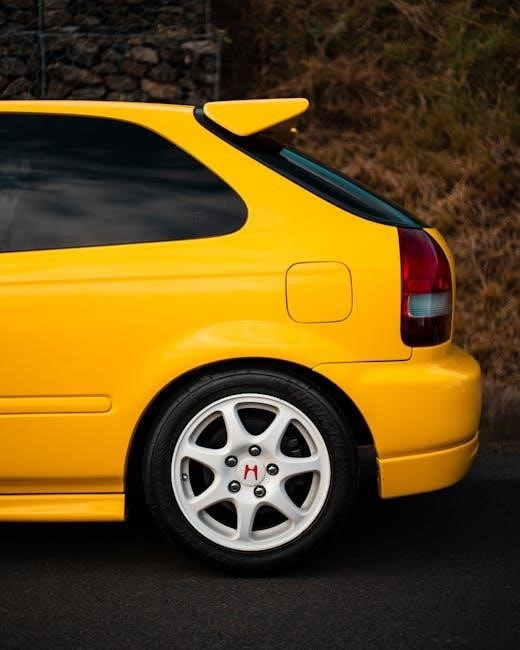
Honda Civic Type R Transmission Fluid
Honda Civic Type R models require specific, high-performance transmission fluid to withstand track use and maintain optimal shifting; specialized care is essential.
Maintaining the Type R’s manual transmission demands attention to fluid specifications, ensuring peak performance and preventing potential damage during spirited driving.
Specific Fluid Requirements for Type R Models
Honda Civic Type R transmissions, engineered for high performance, necessitate a unique fluid specification differing from standard Civic models. The Type R demands a fluid capable of withstanding significantly higher temperatures and stresses generated during aggressive driving and track applications.
Honda recommends its proprietary MTF, but some owners and enthusiasts successfully utilize specialized high-performance alternatives like Motul Gear 300, ensuring compatibility with the transmission’s components. Regular inspection and timely changes are paramount, as degraded fluid can compromise shift quality and potentially lead to costly repairs. Prioritize the manufacturer’s recommendations for optimal performance and longevity of your Type R’s transmission.
Performance Considerations for Type R Transmissions
Honda Civic Type R transmissions are designed for demanding performance, requiring fluid that can handle extreme heat and stress. The high-revving engine and aggressive driving style generate substantial friction, necessitating a fluid with superior thermal stability and shear resistance.
Choosing the correct fluid impacts shift feel, synchro performance, and overall gearbox durability. Upgrading to a high-quality synthetic fluid can improve shifting precision and protect against wear. Regular fluid changes are even more critical in Type R models due to the increased stress, ensuring consistent performance and preventing potential mechanical failures during spirited driving or track use.
Maintaining the Type R Manual Transmission
Honda Civic Type R manual transmissions benefit from diligent maintenance, particularly regarding fluid changes. More frequent intervals than standard Civics are recommended due to the higher performance demands and increased heat generation. Inspecting the fluid for contamination and ensuring proper fill levels are crucial preventative measures.
Using Honda MTF or a compatible high-performance synthetic fluid is essential. Avoid generic gear oils, as they may not provide adequate protection. Consistent maintenance extends the transmission’s lifespan, preserves shift quality, and maximizes the driving experience, safeguarding the investment in this high-performance vehicle.